

Birdwatching at Rye Harbour Nature Reserve
Rye Harbour is generous to people who know very little about birds.
You do not need a telescope, a life list or the ability to separate every wader at a glance. The reserve does the important work for you. It gives you open water, shingle, saltmarsh, reedbeds, huge skies and a series of hides where you can stop long enough for the landscape to settle.
That last part matters. A rushed walk may produce a few distant shapes and the feeling that everybody else knows what they are looking at. Sit quietly for ten minutes and the reserve begins to organise itself. Calls become easier to place. Movement appears at the edge of the lagoon. A bird you had overlooked starts to feel distinctive.
For experienced birders, Rye Harbour has depth and constant change. For beginners, it is one of the easiest places near Rye to start.
Why Rye Harbour is such a good place to watch birds
The reserve brings several coastal habitats together in a relatively compact landscape. Shingle ridges, saline lagoons, wet grassland, saltmarsh, reedbed and the river mouth each attract different wildlife. Migration adds another layer, with birds arriving, leaving or pausing here as the seasons turn.
That variety means there is rarely a single correct route or one promised highlight. Conditions, water levels, tides, wind and recent arrivals all shape the day.
It also means the reserve rewards repeat visits. A bright spring morning full of nesting activity feels entirely different from a still winter afternoon with ducks gathered on the water. Neither is the better version.
The Discovery Centre gives first-time visitors a useful starting point, while five birdwatching hides provide shelter and closer views across parts of the reserve. Sussex Wildlife Trust publishes current access information and recent sightings, which are far more useful than an old checklist copied into a holiday guide.
The best first route for birdwatching
Begin at the Discovery Centre
For a first visit, start from Rye Harbour village and walk towards the Discovery Centre. The centre is a short walk from the village car park and gives you current information, facilities and a chance to ask what has been seen recently.
Do not be shy about saying you are new to birdwatching. A simple question such as “What is realistic on the short loop today?” is more useful than asking where the rarest bird is.
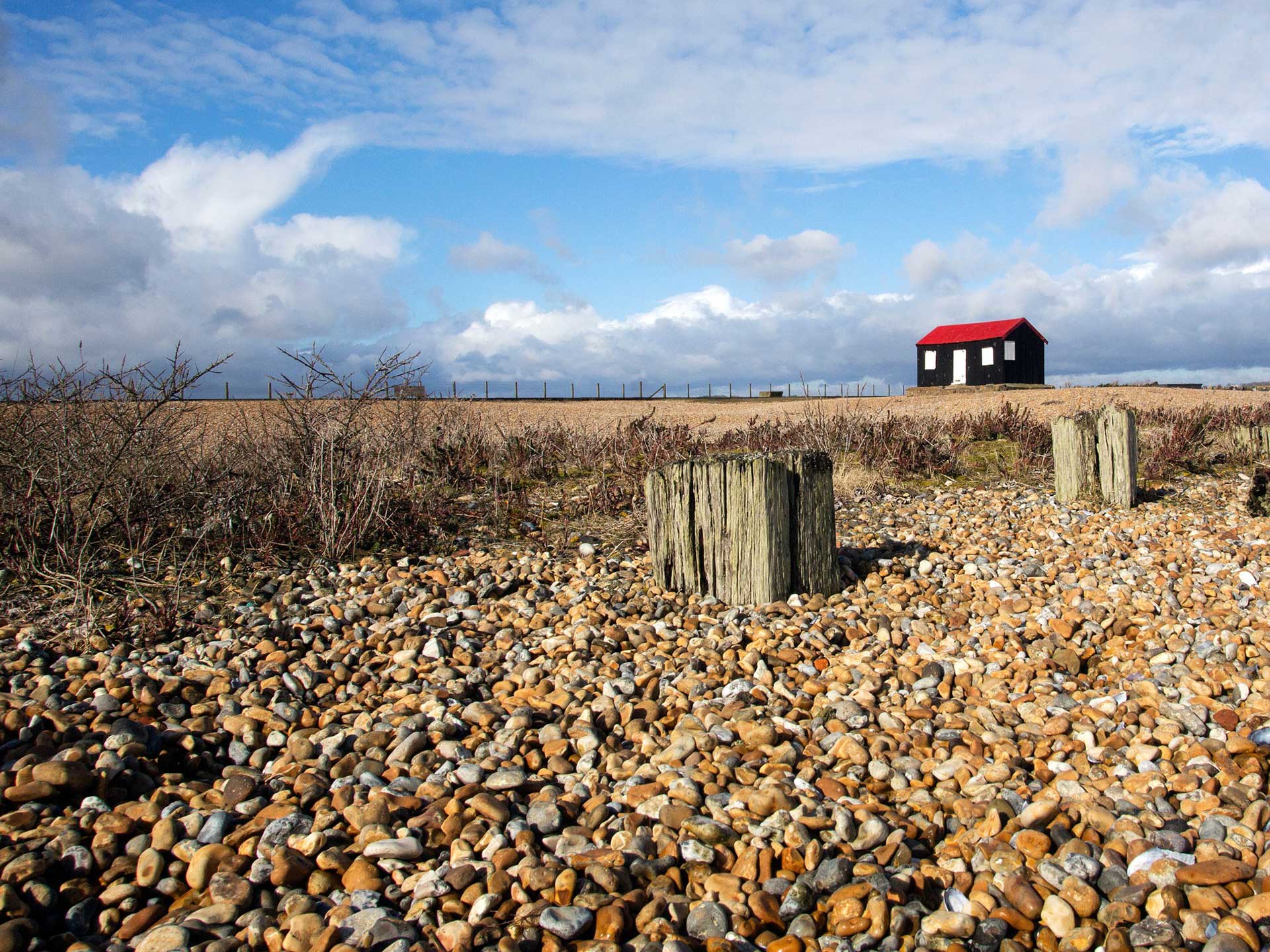
The short loop around the beach reserve is the sensible introduction. It reaches several hides, keeps navigation straightforward and lets you decide whether to extend the visit.
Use the hides slowly
A hide is not simply a viewpoint with a roof. It changes the way you watch.
Enter quietly, allow your eyes to adjust and scan the near edges before looking towards the horizon. Birds often feed close to banks, islands or vegetation rather than in the dramatic centre of the water.
If other people are present, a quiet question can unlock the scene. Most birdwatchers are pleased to point out a bird if approached respectfully. Do not expect somebody to identify every distant shape, and do not crowd a telescope without being invited.
Give each hide at least a few minutes. Constantly moving on is the easiest way to miss what is already there.
Continue only if time and weather suit
The reserve extends well beyond the short loop. Longer routes can lead towards the river mouth, beach, Castle Water and Camber Castle, but distance, exposure and surface conditions increase.
Choose the extension because you want a longer wildlife walk, not because you feel obliged to cover the map. In strong wind, heat or driving rain, a shorter route with more time in the hides is often the better day.
Always follow current closures and diversions. Sensitive nesting areas, habitat work, flooding or wildlife incidents can alter access at short notice.
What you might see through the year
Spring and early summer bird watching rye
Spring brings display, courtship, nesting and constant movement. Terns are among Rye Harbour’s most characteristic summer birds, with Little, Common and Sandwich Terns associated with the coastal lagoons and shingle.
Avocets, Ringed Plovers, gulls and other breeding birds may also draw attention. This is a particularly important time to stay on marked paths, respect seasonal dog restrictions and avoid lingering near distressed birds.
Do not turn nesting wildlife into a photography challenge. A bird repeatedly calling, leaving a nest or changing behaviour is telling you that you are too close.
Late summer and autumn bird watching rye
This can be one of the most absorbing periods for birdwatching. Waders begin returning from northern breeding grounds, and the mix can change quickly with weather and migration conditions.
Dunlin, sandpipers, godwits, Greenshank and Whimbrel are among the birds that may pass through, but no species is guaranteed. Treat current sightings as a prompt, not a promise.
Autumn also suits visitors who prefer quieter paths and lower light. Bring layers. The openness that makes Rye Harbour beautiful also makes it feel cooler and windier than Rye town.
Winter bird watching rye
Winter strips the landscape back. Ducks and other waterbirds gather, raptors may cross the marsh, and the low sun can be magnificent.
It is a good season for learning common species because there is less visual clutter, although identification can still be challenging. Short days make timing important. Start earlier than you think, and know when the Discovery Centre, café and village car park close.
Birdwatching for beginners
Start with binoculars if you have them. An 8x magnification pair is usually easier to hold steady than something much stronger. You can still enjoy the reserve without any equipment.
Pick three things to notice: size, shape and behaviour. Colour is useful, but light can mislead. Ask whether the bird is feeding on mud, diving, hovering, running at the water’s edge or sitting upright on a post.
Use a field guide or identification app after watching, not instead of watching. Trying to force every bird into a name can drain the pleasure from the visit.
A guided event is an excellent shortcut. Sussex Wildlife Trust runs seasonal walks and beginner sessions, but dates change and places can fill. Check the official events listing for your stay.
Visiting with children
Children often enjoy hides because they turn watching into a quiet search. Give them a small target: find a bird with a long bill, notice three different calls, or draw the shape of a bird on the water.
Keep the first visit short. Two engaged hours are better than a long march that makes the reserve feel like homework.
The Discovery Centre, café and accessible toilets make the beach reserve a practical family choice. Take snacks and layers, but keep food packed away inside hides if it could create mess or attract wildlife.
Never encourage children to chase birds for a photograph. The reserve is their habitat, not a petting attraction.
Accessible birdwatching at Rye Harbour
Rye Harbour has made accessibility a genuine part of the visitor experience. Sussex Wildlife Trust states that five birdwatching hides are accessible to wheelchairs and mobility scooters. Step-free access includes the short loop around the beach-reserve hides and the Reedbed Viewpoint at Castle Water when that area is open.
The main path has regular benches, although some involve a small area of looser surface. The landscape is exposed, and shelter is mainly available in the hides and Discovery Centre.
Two mobility scooters are normally available to hire on a donation basis from the Discovery Centre. They should be booked in advance, and current route conditions should always be checked before travelling.
Accessibility is personal. Contact the Discovery Centre with specific questions about widths, surfaces, toilets, seating or assistance rather than relying on a general label.
Dogs, photography and good reserve manners
Dogs are welcome under the reserve’s current rules, but birdwatching is not the moment for a long roaming lead. Keep dogs close, obey signed lead zones and respect seasonal exclusions. Never allow a dog into water or near resting and nesting birds.
For photography, a longer lens does not grant closer access. Stay in hides and on paths, avoid playback of bird calls, and do not publish precise locations for vulnerable nesting birds.
Keep voices low in hides. Make space at viewing slots. Take litter home. If a path or area is closed, do not decide that the rule is aimed at somebody else.
What to bring when bird watching in Rye
Bring binoculars if available, a small notebook or bird app, water, layers and footwear suited to shingle or mud. In summer, add sun protection. In winter, gloves make a surprising difference when holding binoculars.
A telescope is useful for distant birds but unnecessary for a first visit. Heavy equipment can become a burden on a longer walk.
Download or photograph the current reserve map before setting out. Mobile reception should never be the only navigation plan.
Where to stay for an early start
Staying at Camber Sands puts you close enough to visit Rye Harbour early, when paths are quieter and bird activity can be rewarding. It also gives the day a satisfying contrast: protected lagoons and hides in the morning, dunes and open beach later.
A cottage makes the practical side easier. Wet coats can dry, binoculars have somewhere safe to live, and breakfast does not depend on an early café opening.
Browse our Camber Sands holiday cottages and give yourself time for more than one reserve visit. Birdwatching improves when it is not carrying the pressure of being your only chance.
Bird Watching in Rye FAQs
Is Rye Harbour Nature Reserve free to visit?
The reserve is currently free to visit, although donations help Sussex Wildlife Trust and the Friends of Rye Harbour care for it. Check the official site for current parking and facility information.
Where should beginners start birdwatching at Rye Harbour?
Start at the Discovery Centre and ask about the short loop around the beach-reserve hides. It is easier to navigate than the longer reserve routes and gives a good introduction to several habitats.
What is the best time of year for birds at Rye Harbour?
Every season has value. Spring and early summer bring breeding activity, late summer and autumn bring migration, and winter brings waterbirds and a quieter landscape. Recent sightings and conditions matter more than a universal best month.
Do I need binoculars for birdwatching in rye?
No, although they make identification and observation easier. The broad landscape, larger birds and close views from hides can still be enjoyed without specialist equipment.
Can children use the bird hides?
Yes. Hides can work especially well for short, focused family visits. Encourage quiet observation and keep the route appropriate to the weather and children’s attention spans.
Is Rye Harbour accessible for wheelchair users?
The reserve provides extensive step-free access, accessible hides, accessible toilets and bookable mobility scooters. Read the current official access information and contact the Discovery Centre about individual needs.
Can I bring a dog while birdwatching?
Dogs are welcome subject to signed rules, lead zones and seasonal restrictions. For the birds’ welfare, keep dogs close and away from water, nesting areas and roosting flocks.
Plan your birdwatching break
Check the reserve’s live notices and recent sightings, choose a route that suits the weather, then let the day be quieter than the rest of your itinerary.
Stay close enough to explore properly
Camber makes a brilliant base for this part of the coast because the days can be completely different from one another. One morning you can be barefoot on Camber Sands. The next you can be riding a steam train across Romney Marsh towards Dungeness.
Browse our holiday cottages in Camber and choose a beach house that gives you space to slow down between adventures.