

Your local guide to Camber Sands
Camber Sands is easy to describe badly.
You can call it a huge sandy beach near Rye, mention the dunes, add a line about family holidays and technically be correct. You would also miss most of what makes the place work.
Camber is at its best when you understand its rhythm. Summer mornings before the crowds arrive. Long walks when the tide is out. Windy days when the beach feels enormous. Children disappearing into the dunes and coming back with sand in places sand should never reach. A quick drive into Rye for lunch, then back to the beach because the light has changed.
We have been based here for years, so this is not a list of everything Google Maps can find. It is the version of Camber we would give a friend who was staying for a few days and wanted to get it right.
Our Camber rule: do not try to fill every hour. The beach is not something to squeeze between attractions. It is the reason to leave space in the day.
Start with the beach, because everything else makes more sense afterwards
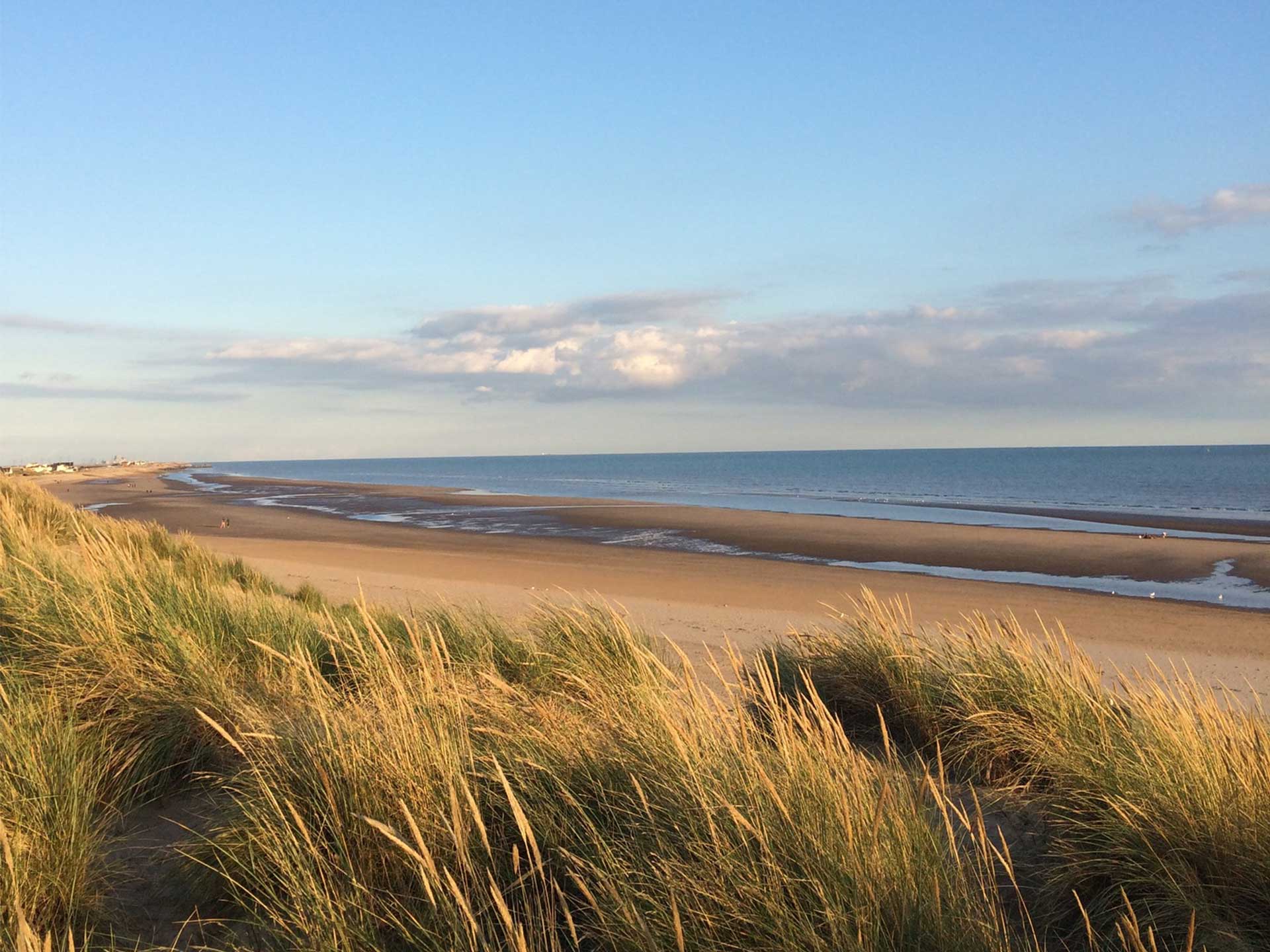
Camber Sands is one of the few genuinely sandy stretches on this part of the south coast, backed by the only sand dune system in East Sussex.
At low tide the beach can feel almost comically wide. That is part of the appeal, but it is also why a quick ten-minute beach visit rarely stays ten minutes. Once you are out there, the obvious thing is to keep walking.
Families tend to gravitate towards the central parts of the beach because facilities and parking are close. If you want more space, a longer walk quickly changes the feel of the place. Outside peak summer, the beach becomes quieter again and works brilliantly for long walks, dog-friendly breaks and the sort of coastal days where a coat matters more than a deckchair.
Camber is not a polished promenade resort. That is a strength. The landscape is the attraction.
Choose your bit of beach rather than simply following the traffic
There are several main access and parking points around Camber, and they create slightly different days.
Camber Central is the obvious choice if you want the most direct arrival, easy access to the central beach and to be close to local facilities. Western Car Park gives access further along the beach and is useful when you want to spread out from the busiest central area. Old Lydd Road provides another option, although parking arrangements and availability vary with the season.
On very warm summer days, Camber can become extremely busy. If you are staying locally, one of the biggest advantages is being able to walk to the beach or arrive early rather than joining the middle-of-the-day traffic.
For 2026, Rother District Council operates Camber Central, Old Lydd Road and Western Road car parks. Parking tariffs change between summer and winter, and spaces cannot be reserved in advance, so we would always check the council information before travelling rather than relying on an old screenshot or blog post.

Treat the dunes with a little respect
The dunes are one of the things that make Camber special, but they are also a living coastal habitat rather than a giant climbing frame.
Children will want to explore them. Adults probably will too. That is fine, but stick to established access routes where possible, avoid damaging vegetation and take everything you brought with you back out again.
The dunes also change how Camber feels. Walk a few metres away from the road and suddenly the traffic disappears, the horizon opens and the beach feels much further removed from everyday life than it actually is.
This is one of the reasons we think Camber works so well for short breaks. You do not need a long drive or a formal attraction to feel as though you have properly gone somewhere.
If you are swimming, make the safety flags part of the plan
Camber is beautiful, but it is still an open beach with tides, changing conditions and cold water.
During the 2026 season, RNLI lifeguards patrol Camber Central daily from 23 May to 27 September, with additional seasonal patrols at Camber West. Patrol patterns change through the year, so check the current RNLI information before swimming and never assume lifeguards are present just because the beach is busy.
When lifeguards are operating, swim between the red and yellow flags. If there are no flags, there are no lifeguards on duty.
This is one part of the trip where local spontaneity is overrated. Check the conditions, read the signs and then enjoy the water.
Camber works particularly well with children because the beach does most of the work
You do not need to manufacture entertainment here.
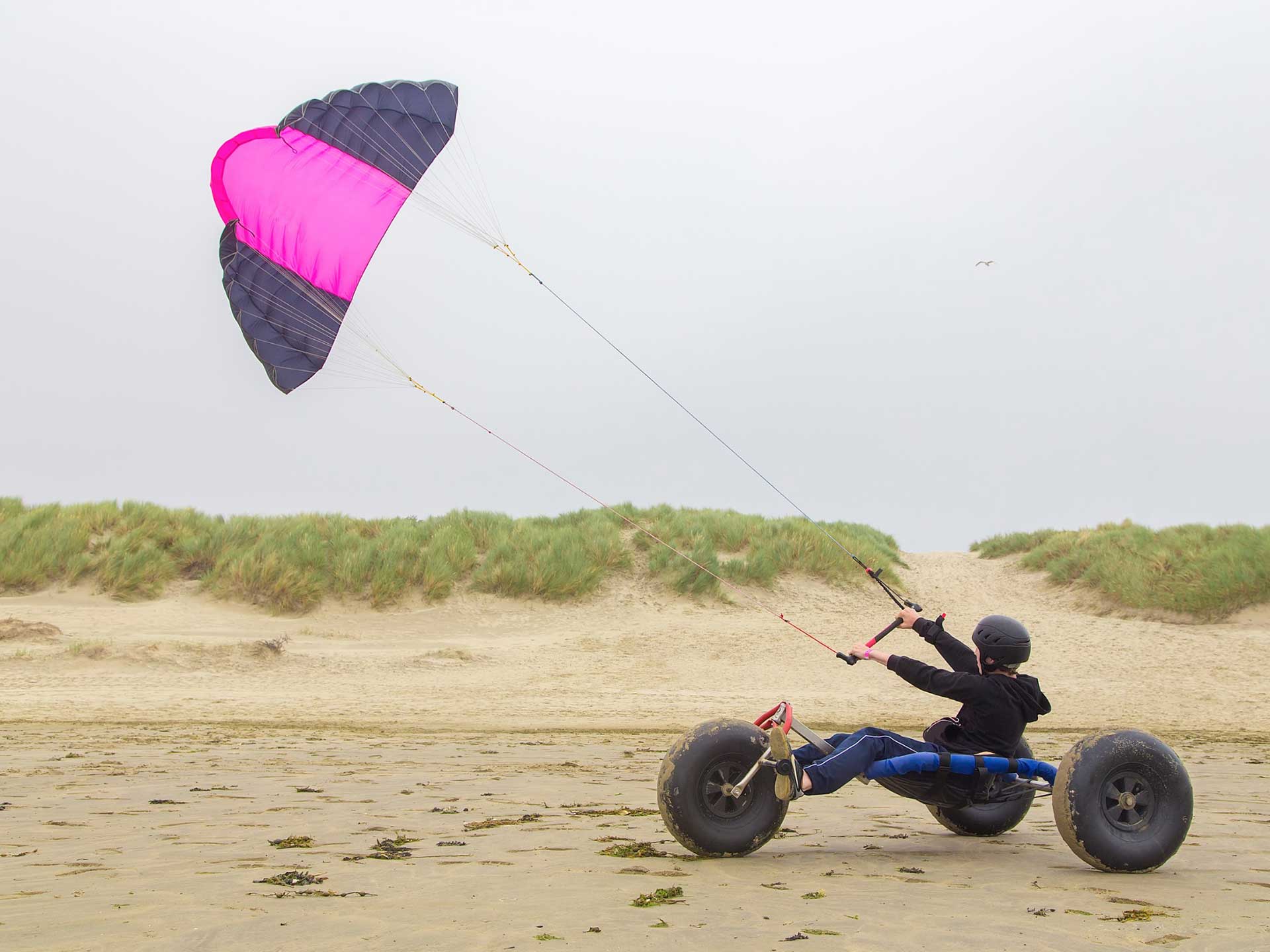
Buckets, a football, a kite, a bodyboard when conditions are suitable and enough snacks to prevent a diplomatic incident will cover a surprising amount of time.
The dunes add another layer of adventure, and Rye is close enough to give you a completely different half-day when everyone has had enough sand. If the weather turns properly wet, there are indoor options around Rye rather than forcing another windswept hour for the sake of the itinerary.
Our advice with younger children is simple: keep one proper activity in reserve and let the beach carry the rest of the day.
Dogs get one of the better versions of Camber outside summer
Camber is excellent for dog-friendly stays, particularly once the busiest summer restrictions ease.
Dogs are restricted from designated zoned areas between 1 May and 30 September. The exact controlled areas are mapped by Rother District Council, so check the current signage and council map rather than assuming the whole beach follows one rule.
Outside the main restriction period, longer beach walks become one of the easiest reasons to come to Camber. You can leave the complicated plans behind, walk until everyone is tired and head back to the cottage.
Go into Rye hungry
Camber and Rye work as a pair.
The beach gives you space. Rye gives you narrow streets, independent shops, good food, old buildings and somewhere to disappear for a few hours when the wind has made its point.
It is only a short journey from Camber, which means we rarely suggest treating Rye as a full expedition. Go for breakfast or lunch. Wander Mermaid Street and Church Square. Pick one thing to visit. Stay longer if the town earns it.
Rye is also where the local food scene becomes much broader. Cafés, pubs, bakeries, seafood and proper dinner options mean you do not need to cook every night just because you are in a holiday cottage.
Give Rye Harbour a separate morning
Rye Harbour Nature Reserve is close enough to Camber that it often gets treated as an add-on. We think it is better when you give it its own time.
The landscape is flatter, quieter and more open than Rye itself, with saltmarsh, shingle, wetlands and a huge amount of birdlife. It works for proper birdwatchers, families who need a low-pressure walk and anyone who simply wants a different version of the coast.
The Discovery Centre is a useful starting point, especially with children or when the weather is changeable.
For a bigger day out, head east rather than trying to do everything at once
Dungeness gives you the biggest change of scenery without turning the day into a major journey.
The shingle, fishing boats, railway, lighthouses and huge skies feel completely different from Camber, which is exactly why the trip works. It is not a conventional family attraction and should not be sold like one. Go because the landscape is strange, sparse and memorable.
For families, pairing Dungeness with the Romney, Hythe and Dymchurch Railway can make the day easier to structure. For adults, good seafood and a slow wander are often enough.
Cycle if you want to understand how close everything really is
Camber can feel separate from Rye when you arrive by car, but on a bike the geography makes more sense.
The route towards Rye and the surrounding flat landscape open up easy options for cycling without needing to turn the day into a serious road ride. It is one of the better ways to connect the beach, Rye and the wider marsh landscape.
What Camber is like through the year
Spring
Spring is one of our favourite times for walking and quieter family breaks. You get longer days without peak-summer pressure, although the coast can still be cool and changeable.
Summer
Summer is when Camber feels most obviously like a beach destination. It is also when planning matters most. Arrive early, understand parking, check lifeguard information and expect busy roads on hot weekends.
Autumn
Autumn brings back space. The beach is brilliant for walks, dogs become easier to plan around once seasonal restrictions finish, and Rye still gives you enough food and indoor options when the weather turns.
Winter
Winter Camber is quieter again. This is not the season for pretending you are on a summer beach holiday. It is the season for huge skies, cold walks, pubs, good food and coming back to a warm cottage.
A simple first-time Camber plan
Day one: arrive, unpack and walk to the beach
Do not start with a drive somewhere else. Get your bearings, walk the dunes, work out where the beach access is and find somewhere easy to eat.
Day two: beach first, Rye second
Give Camber the morning while the day is fresh. Head into Rye for lunch and an afternoon wander. If the weather stays good, come back to the beach later when the light is softer.
Day three: choose one direction
Go west towards Rye Harbour and Winchelsea, or east towards Dungeness. Do not try to collect every nearby place simply because they fit on a map.
Where to stay in Camber Sands
If the beach is the main reason for the trip, staying in Camber changes the holiday.
You are not commuting to the coast. You can walk over before breakfast, come back when the weather turns, return at sunset and avoid building every beach visit around parking.
That matters most in summer, but we think it is just as valuable in autumn and winter. A good coastal cottage gives you somewhere comfortable to retreat to without making the day feel finished.
Our Camber properties range from smaller coastal stays to larger houses for families and groups, with many within easy reach of the beach.
Frequently asked questions
Is Camber Sands worth visiting?
Yes, particularly if you want a genuinely sandy beach, wide open space and easy access to Rye and the surrounding coast. It is busiest on hot summer days and much quieter outside peak season.
Is Camber Sands a sandy beach?
Yes. Camber is known for its broad sandy beach and dune system, which makes it unusual on this stretch of the Sussex coast.
Is Camber Sands good for families?
Yes. The scale of the beach, dunes and proximity to Rye make it a strong base for family breaks. For swimming, always check current RNLI patrols and beach conditions.
Can I take my dog to Camber Sands?
Yes, but dogs are restricted in designated zoned areas between 1 May and 30 September. Check current Rother District Council signage and maps before visiting.
Where do you park for Camber Sands?
Rother District Council operates Camber Central, Old Lydd Road and Western Road car parks. Charges and operating arrangements vary seasonally, so check the council information before travelling.
How far is Camber Sands from Rye?
Camber and Rye are close neighbours and are easy to combine in the same stay. Local buses connect Rye station with Camber, and taxis are also available.
Is Camber Sands good outside summer?
Very much so. Spring and autumn are excellent for walking and quieter stays, while winter suits visitors who value the landscape, Rye, good food and a comfortable cottage more than sunbathing.
Stay close enough to use the beach properly
Camber works best when you do not have to plan every visit to it.
Stay close to the dunes, keep Rye and the harbour within easy reach and give yourself the freedom to head to the beach because the sun has appeared, the tide looks right or everyone simply needs another walk.